Why Acne Treatment Often Fails — And What Actually Works
Acne is one of the most common concerns we see in clinic. It's also one of the most commonly mistreated.
Most acne treatments are designed around the visible symptoms — breakouts, congestion, excess oil. But the skin doesn't care what's visible on the surface. It responds to what's happening underneath. And underneath, acne is a biological process — one that involves oil quality, cellular turnover, inflammation, and barrier function. When these systems fall out of balance, the skin enters a cycle that keeps repeating until something actually changes.
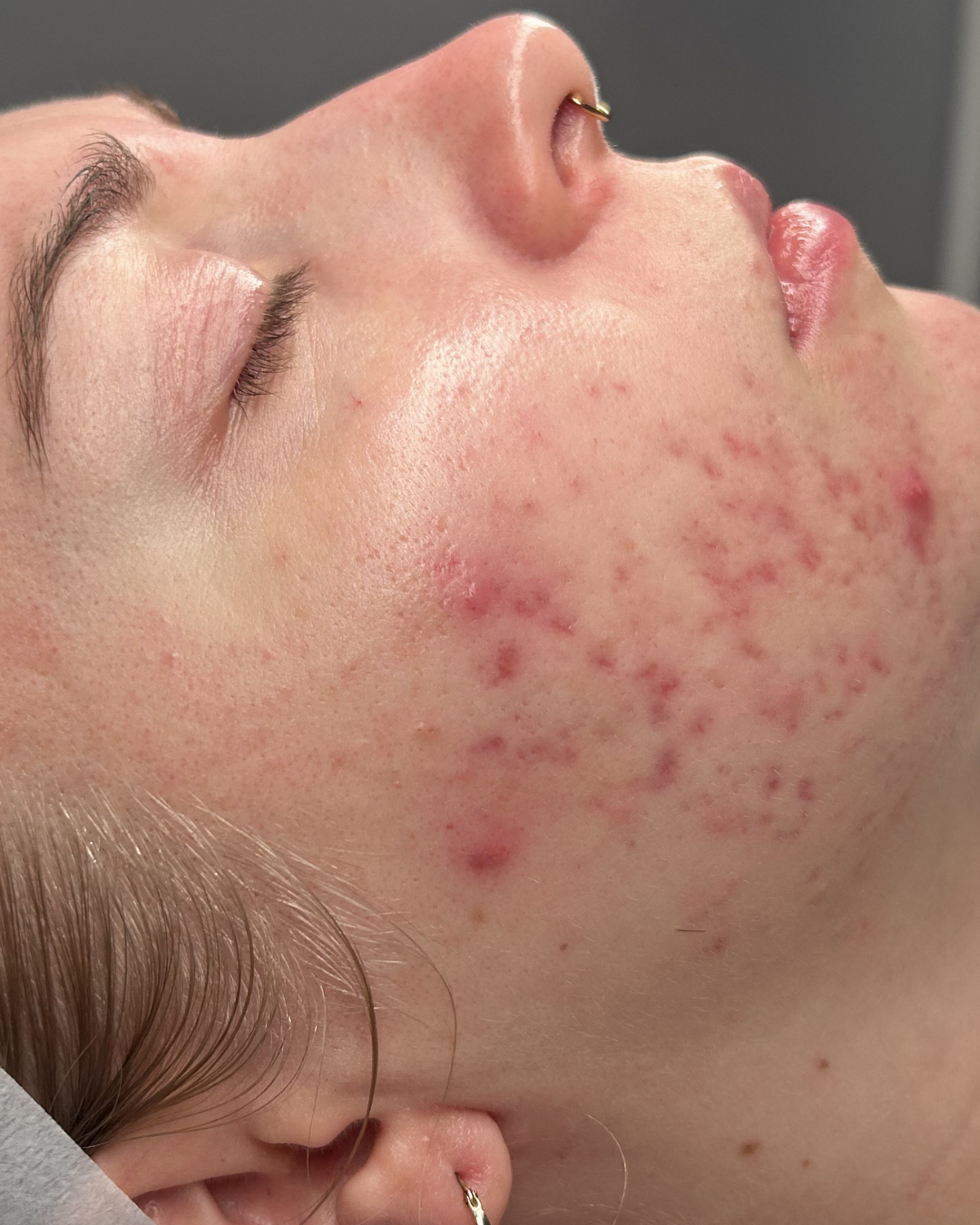
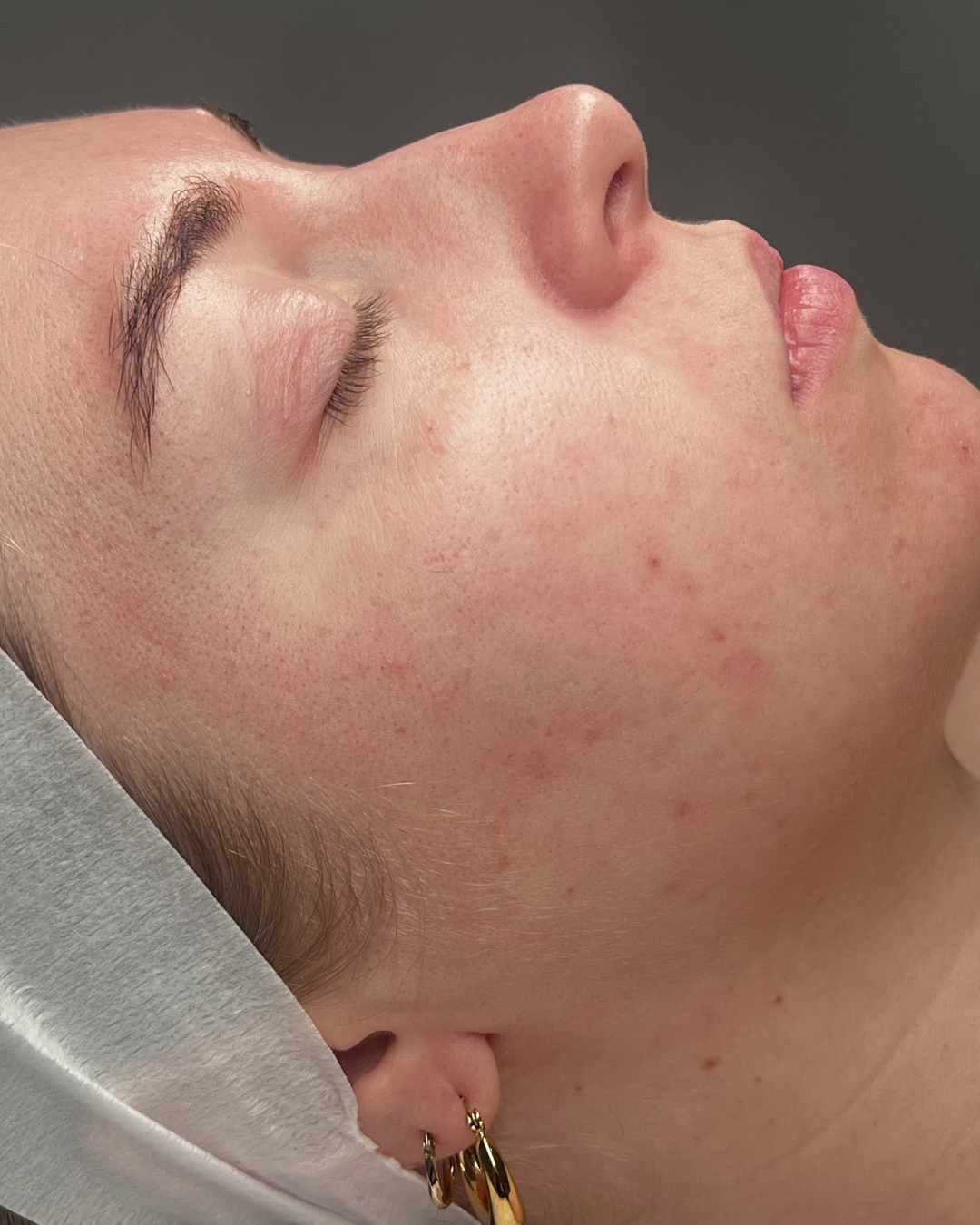
How acne develops
Acne forms within the pilosebaceous unit — the structure housing the hair follicle and sebaceous gland. In acne-prone skin, sebum often becomes thicker and more viscous, accumulating within the follicle rather than flowing freely to the surface. At the same time, the cells lining the follicle begin turning over too quickly and don't shed normally. They mix with the thicker oil, forming plugs within the pore.
These plugs create the ideal environment for Cutibacterium acnes — bacteria naturally present on the skin — to proliferate. The immune system responds, inflammation develops, and over time, repeated inflammation weakens the skin barrier further. Which makes everything worse. Oil regulation becomes more difficult. Healing slows. The cycle continues.
Why aggressive treatments backfire
The instinct is understandable — dry it out, strip it back, layer on the actives. But this approach consistently compromises the skin barrier and drives more inflammation, not less. When the barrier is disrupted, the skin often compensates by producing more oil. Irritation within the follicle increases. The cycle accelerates.
Effective acne treatment isn't about aggression. It's about regulation — creating the conditions where the skin can balance itself.
What actually works
Restoring balance means addressing the underlying processes while protecting the barrier, not dismantling it. Controlled chemical exfoliation helps clear compacted skin cells without stripping healthy ones. Gentle cleansing removes buildup without depleting essential lipids. Barrier-supportive ingredients do the quiet, important work of stabilising the skin's environment.
Niacinamide improves sebum quality and supports immune activity within the skin. Panthenol supports hydration and barrier repair. Once the barrier has stabilised, vitamin A derivatives can be introduced to regulate cellular turnover and normalise follicular activity. For more advanced inflammatory acne, prescription-based formulations may be needed to support these pathways more effectively.
Where professional guidance makes a difference
One of the most consistent patterns we see in clinic is clients using products that sound beneficial individually but actively conflict when combined. As dermal clinicians, understanding skin physiology and ingredient interactions is central to what we do — which is why a properly designed treatment plan works differently to a self-curated routine built from social media recommendations.
In-clinic treatments — LED therapy, controlled peel combinations, hydration infusions — help regulate inflammation, support healing, and improve overall skin function. But they're most effective when the homecare routine is supporting the skin correctly in between.
Understanding acne timelines
Improvement rarely follows a straight line. Some skins respond gradually and consistently. Others experience a temporary flare before things begin to settle. Progress isn't measured by breakouts alone — it's measured by the overall health of the skin.
We look for skin that's better hydrated, smoother in texture, healing faster between breakouts, and less inflamed within lesions. Even when breakouts are still occurring, these signs tell us the skin is moving in the right direction.
The long-term view
Successful acne treatment isn't about chasing individual breakouts. It's about restoring the skin's environment — regulating oil production, normalising cellular turnover, strengthening the barrier, and identifying any internal factors contributing to inflammation.
When the skin becomes healthier from the inside out, breakouts naturally become less frequent, less inflamed, and easier to heal.
That's the foundation of how we approach acne at Curated Skin Aesthetics. Not a quick fix. A real one.
If you'd like to understand what's driving your skin concerns and build a plan that actually addresses them, we'd love to help. Book a consultation with our team at Curated Skin Aesthetics and we'll start from the beginning — with your skin.