
Naturopath Insights: The Gut-Skin Axis in Autumn — Supporting Barrier Health From Within
With Kayla, Clinical Naturopath at Curated Skin Aesthetics
When we think about skin barrier health, the conversation typically centres on topical intervention: ceramides, lipid serums, gentle cleansers. And while these are essential, they represent only half of the equation. The integrity of your skin barrier is profoundly influenced by what's happening internally—specifically, in your gut.
The gut-skin axis describes the bidirectional communication pathway between your gastrointestinal tract and your skin. Emerging research consistently demonstrates that gut microbiome diversity, intestinal permeability, and systemic inflammation all directly impact skin barrier function, inflammatory conditions, and healing capacity.
Autumn presents a unique opportunity to address this connection, as seasonal dietary shifts, increased stress, and reduced vitamin D exposure can all compromise gut health—and by extension, skin resilience.

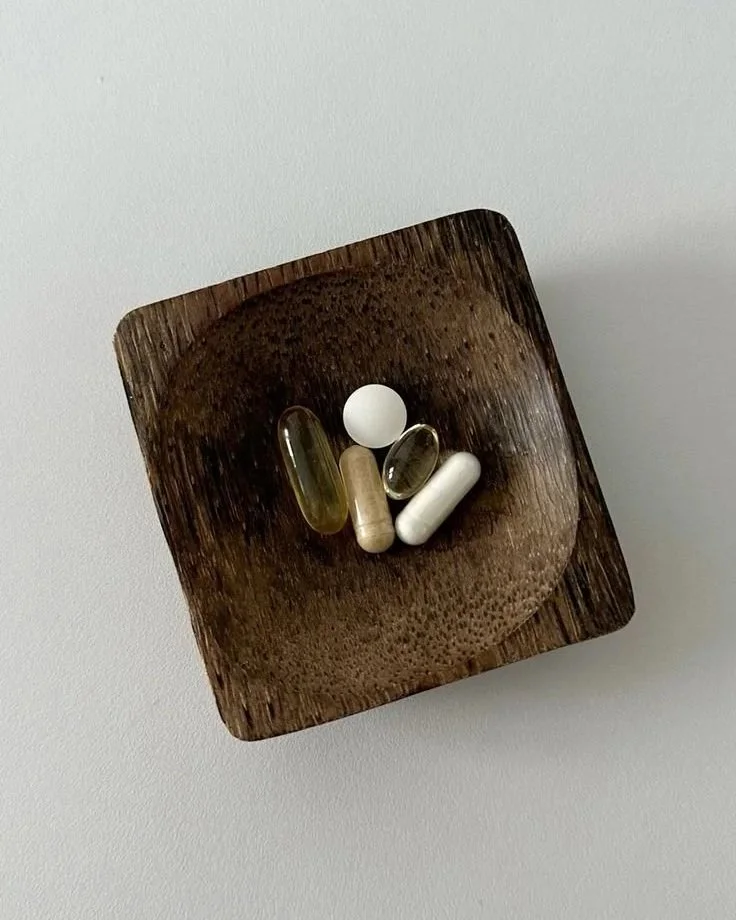
The Science: How Gut Health Influences Skin Barrier Function
Your gut microbiome—the trillions of bacteria, fungi, and other microorganisms residing in your digestive tract—plays a central role in immune regulation, inflammation control, and nutrient absorption. When gut microbiome diversity decreases or intestinal permeability increases (often called "leaky gut"), inflammatory markers rise systemically.
This systemic inflammation manifests in the skin through increased sensitivity, impaired barrier repair, slower wound healing, and exacerbation of inflammatory conditions like eczema, rosacea, and acne.
Additionally, certain gut bacteria produce short-chain fatty acids (SCFAs) like butyrate, which have been shown to support skin barrier lipid production and reduce inflammatory cytokines. When gut health is compromised, SCFA production decreases, and skin barrier integrity suffers.
Nutrient absorption is another critical factor. Even with an excellent topical routine, if your gut isn't effectively absorbing essential fatty acids, zinc, vitamin A, and other skin-supportive nutrients, your barrier repair capacity will be limited.
Why Autumn Matters: Seasonal Impacts on Gut Health
Several autumn-specific factors can disrupt gut health:
Dietary changes. As temperatures drop, we often shift toward heavier, processed comfort foods and away from the fresh, fibre-rich produce that supports microbiome diversity.
Increased stress. Returning to busier routines after summer can elevate cortisol, which directly impacts gut motility, microbiome composition, and intestinal permeability.
Reduced vitamin D. Less sun exposure means lower vitamin D synthesis, which plays a role in maintaining intestinal barrier integrity and immune function.
More frequent illness. Colds and infections often lead to antibiotic use, which can temporarily disrupt microbiome balance.
What You Can Do: Evidence-Informed Strategies
Supporting your gut health during autumn doesn't require drastic dietary overhauls. Small, consistent adjustments can yield meaningful improvements in both gut function and skin barrier resilience.
Prioritise omega-3 fatty acids. These anti-inflammatory fats support both gut lining integrity and skin barrier lipid composition. Sources include fatty fish, walnuts, flaxseeds, or a high-quality supplement like Simka Omegas.
Increase prebiotic fibre. Prebiotics feed beneficial gut bacteria, supporting microbiome diversity. Include foods like garlic, onions, asparagus, oats, and legumes regularly.
Consider a probiotic. While individual strains matter, research suggests that certain Lactobacillus and Bifidobacterium strains may support skin barrier function and reduce inflammatory skin conditions. I recommend to speak with a naturopath for personalised guidance on this.
Manage stress consistently. Even 10 minutes of daily breathwork, meditation, or gentle movement can reduce cortisol's impact on gut health.
Stay hydrated. Adequate water intake supports mucus production in the gut lining, which protects against permeability.
Limit inflammatory triggers. Excess alcohol, refined sugar, and highly processed foods can increase gut inflammation and compromise barrier function in both the gut and skin.
The Integrated Approach
At CSA, we view skin health holistically. Topical care and clinical treatments are essential, but they work best when supported by internal wellness. Which is why you find my located within the clinic. If you're experiencing persistent barrier issues, sensitivity, or inflammatory skin conditions despite excellent topical care, it may be time to assess gut health as a contributing factor.
This doesn't mean abandoning your skincare routine—it means supporting it from within, so your skin has the resources it needs to heal, adapt, and thrive.
You can book a consultation or learn more about my approach here
