Why Skin Needling Remains the Gold Standard for Skin Health
The aesthetics industry moves fast. New devices, stronger lasers, and increasingly complex technologies emerge every year — each promising faster, more dramatic results. And while innovation has its place, it can also create noise. Sometimes the most effective treatments aren't the newest ones. They're the ones that have quietly, consistently delivered results for years.
For us, that treatment is skin needling.
It starts with collagen
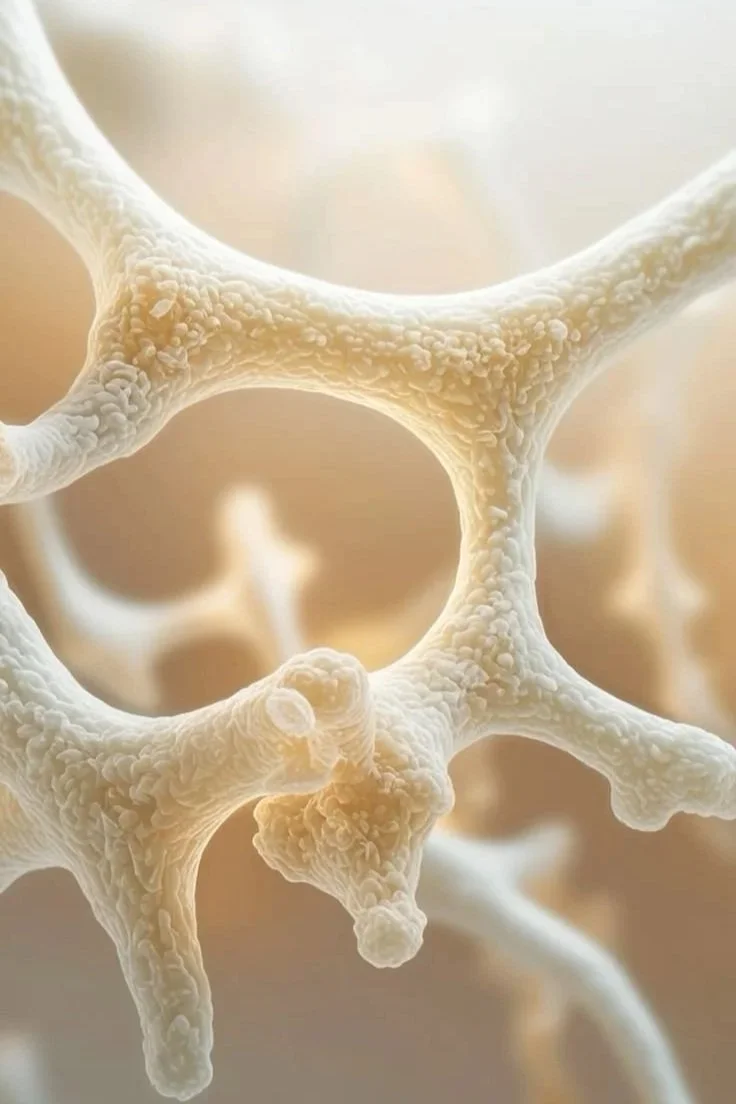
Collagen is the skin's structural foundation — responsible for firmness, resilience, smooth texture, and the skin's ability to repair itself. From our mid-twenties, production naturally begins to decline. Sun exposure, inflammation, and environmental stress accelerate that process. Supporting collagen regeneration isn't optional for long-term skin health. It's central to it.
How skin needling actually works
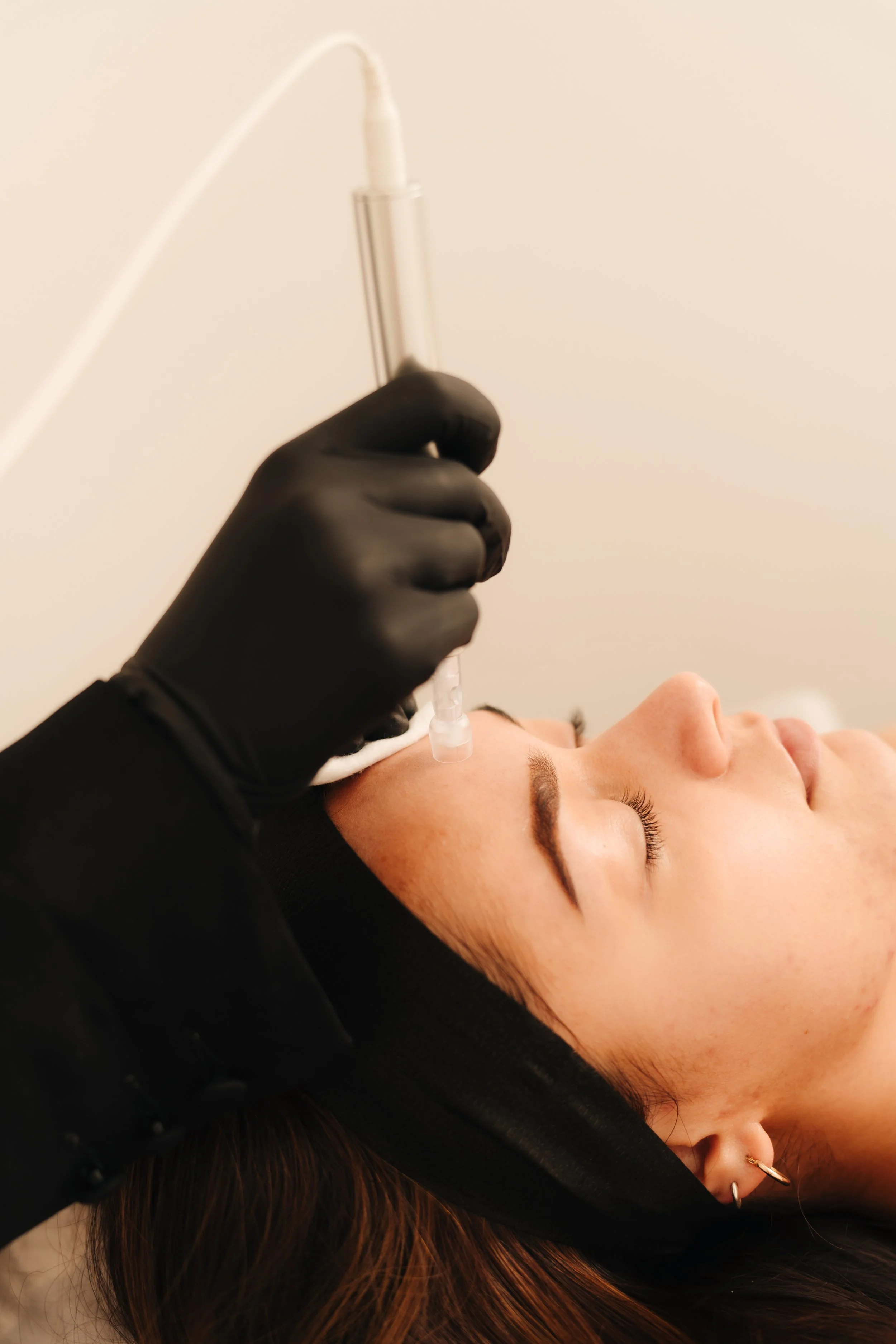
Skin needling creates controlled micro-channels in the skin using very fine needles. Far from damaging the skin, these micro-injuries activate a precise and highly regulated wound healing response. The skin releases growth factors and signalling molecules that communicate with surrounding cells — most notably Transforming Growth Factor Beta-3 (TGF-β3), which supports organised collagen production rather than scar-forming responses.
Research shows TGF-β3 peaks around days seven to ten post-treatment, when fibroblasts are actively synthesising new collagen. This is why the biology of needling is so well respected — it works with the skin's own intelligence, not against it.
Why we choose traditional needling over radiofrequency combinations
Radiofrequency microneedling has become popular in recent years, marketed as a more advanced version of the treatment. While it has its applications, current clinical evidence doesn't consistently show it outperforms traditional needling for most indications. Both stimulate collagen through different mechanisms, and studies comparing the two often show comparable outcomes. Traditional skin needling remains the most well-supported, precise, and evidence-backed option — and that matters to us more than marketing claims.
The truth about needling infusions
Many clinics promote the idea of infusing active ingredient cocktails into the skin during needling. It sounds compelling, but the biology tells a different story. During treatment, minor pinpoint bleeding and natural exudate can push topically applied products back out of the micro-channels before they have meaningful impact. The real therapeutic work happens through the skin's own biological response — not what's pushed into it during the process.
At Curated Skin Aesthetics, we use a hydrating, calming glide medium during treatment. Simple, effective, and respectful of what the skin is actually doing.
Where the real results happen
Post-treatment application matters enormously. We follow the Dr Des Fernandes Needling Gold Standard — vitamins A, C, and E applied immediately after treatment to support repair, encourage optimal collagen synthesis, and accelerate recovery. This is where we amplify the skin's response, not during the needling itself.
Every treatment is individualised
Skin needling at Curated Skin Aesthetics is never a standard protocol. Needle depth, device speed, technique, and device selection are all carefully adjusted based on the individual skin — its barrier health, thickness, inflammation levels, and treatment goals. Shallower depths support general skin health and texture. Greater depths are used when addressing acne scarring or deeper collagen regeneration. Gliding passes, circular movements, and stamping techniques are each selected with purpose.
Because technique is just as important as technology.
We rarely use needling in isolation
Skin needling is most powerful when it's part of a considered treatment plan. We frequently combine it with LED light therapy to calm inflammation beforehand, Prin Lymphatic Therapy to support circulation, BioCellulose recovery masks post-treatment, and TCA CoolPeel treatments to support ongoing skin renewal. Together, these create an environment where the skin can regenerate efficiently and recover comfortably.
What to expect
Skin needling can support improvements in acne scarring, uneven texture, enlarged pores, early signs of ageing, and overall skin resilience. Downtime is typically minimal — some redness for one to three days depending on depth. Results develop gradually as collagen regenerates, which means the improvement feels natural rather than abrupt. Stronger, healthier skin built over time.
That's the point.
Skin needling isn't the newest treatment available. It's simply one of the most trusted — because it works consistently, safely, and in complete alignment with how the skin is designed to heal.
When it comes to long-term skin health, the most powerful approach is usually the one that works with the body, not around it.
If you'd like to understand what's driving your skin concerns and build a plan that actually addresses them, we'd love to help. Book a consultation with our team at Curated Skin Aesthetics and we'll start from the beginning — with your skin.