Does Regular Alcohol Consumption Affect My Skin?
By Kayla (Kollective Wellness) In-Clinic Naturopath at Curated Skin Aesthetics
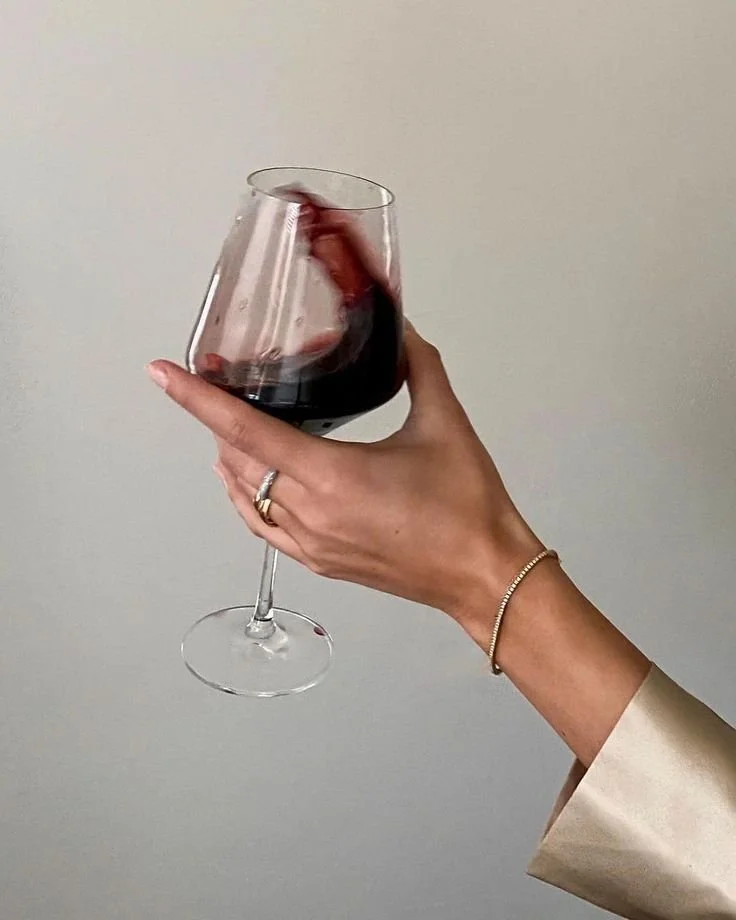
After a season of celebrations, long lunches and late nights, it’s common to notice your skin feels a little… off.
Perhaps your skin is oilier than usual. Maybe rosacea or redness has crept back in. Or you’re waking up puffy, congested, or breaking out in areas that were clear just weeks ago.
If this sounds familiar, you’re not imagining it — and it’s not just the heat.
One of the most common triggers we see in clinic at this time of year is regular alcohol consumption. Not because alcohol is “bad” or something you should never enjoy again — but because it can quietly influence inflammation, hydration, hormones and nutrient balance, all of which directly affect your skin.
As a naturopath, I’m not here to tell you to give up wine forever or live perfectly to have clear skin. That’s not realistic — and it’s not necessary.
But if your skin is flaring and you’re trying to understand why, it’s worth getting curious about how alcohol may be playing a role.
How Alcohol Affects the Skin
Your skin is a reflection of what’s happening internally. While alcohol may feel like no big deal in the moment, it creates a ripple effect in the body that can compromise your skin’s ability to repair, regulate and stay calm.
Here’s what’s happening beneath the surface.
1. Alcohol Dehydrates the Skin and Weakens the Skin Barrier
Alcohol is a diuretic, meaning it increases fluid loss through urination. This internal dehydration often shows up on the skin as:
Dryness or tightness
Flakiness
Increased sensitivity
Redness or irritation
Alcohol also reduces vasopressin — the hormone that helps your body retain water. So even if you’re drinking water alongside alcohol, your body may struggle to hold onto it.
For those prone to eczema, rosacea, perioral dermatitis or sensitised skin, this can significantly weaken the skin barrier and slow healing.
2. Alcohol Increases the Load on Your Liver
Your liver is your primary detoxification organ. It plays a critical role in processing:
Hormones
Inflammatory byproducts
Environmental toxins
When alcohol is present, your body prioritises breaking that down first. This means fewer resources are available to process other compounds that contribute to inflammation and breakouts.
This is particularly relevant if you’re dealing with:
Hormonal acne
Post-pill skin flares
Persistent congestion
Slow-healing breakouts
3. Alcohol Depletes Key Skin-Supportive Nutrients
Even moderate alcohol intake can reduce levels of nutrients essential for skin health, including:
Zinc (oil regulation and healing)
B vitamins (stress response and cellular repair)
Vitamin A (skin turnover)
Magnesium (nervous system and inflammation regulation)
When these nutrients are depleted, skin often becomes more reactive, inflamed and slower to settle after a flare.
If your skin seems to take days to recover after a night out, this may be one reason why.
Do You Need to Stop Drinking to Heal Your Skin?
Not necessarily.
Skin healing isn’t about removing everything enjoyable from your life. However, during active treatment phases, we often recommend reducing or temporarily removing alcohol — particularly when the focus is on:
Calming inflammation
Regulating hormones
Repairing the gut-skin axis
Restoring nutrient balance
This doesn’t mean you can never enjoy a glass of wine again. It simply means giving your body space to heal first — and then reintroducing alcohol in a way that feels supportive, not sabotaging.
How to Enjoy Alcohol Without Wrecking Your Skin
If you choose to drink, these naturopath-approved strategies can help minimise its impact on your skin.
Eat Before (and While) Drinking
Drinking on an empty stomach leads to faster alcohol absorption and larger blood sugar spikes — both of which increase inflammation.
Try pairing alcohol with:
A proper meal containing protein (chicken, tofu, lentils)
A boiled egg and a handful of nuts
Food with your drink, not just snacks
Hydrate Intentionally
Alcohol flushes out fluids and minerals, contributing to dull, dehydrated skin.
Support hydration by:
Alternating alcoholic drinks with water
Choosing mineral-rich mocktails (e.g. coconut water with a splash of orange juice)
Adding a pinch of sea salt or electrolyte drops to help retain hydration
Replenish Nutrients the Next Day
The day after drinking is the perfect time to restore what’s been depleted.
Focus on:
Zinc-rich foods (pumpkin seeds, legumes, grass-fed beef)
Leafy greens and fibre-rich vegetables
A nutrient-dense smoothie with spinach, banana, chia seeds and protein powder
Always speak with your naturopath before supplementing.
Support Detox Pathways Gently
Healthy elimination supports clearer skin. Simple daily practices include:
Warm lemon water on waking
Dry body brushing before showering
Cooked vegetables and adequate fibre to support bowel regularity
Build in Alcohol-Free Days
Consistent rest days allow your skin to repair and inflammation to settle. Even 2–3 alcohol-free nights per week can make a noticeable difference.
Where to Start If Your Skin Is Flaring
Healing your skin isn’t about perfection — it’s about listening.
Start by:
Noticing how your skin feels after drinking
Tracking breakouts, puffiness, dryness or sensitivity
Asking whether your skin needs calming support or gentle flexibility right now
If you’re unsure where alcohol fits into your skin journey, that’s completely normal — and exactly where personalised support can help.
Ready to Explore Your Skin’s Root Causes?
Alcohol is often just one piece of the puzzle.
Through our Holistic Skin Healing approach at Curated Skin Aesthetics, we look deeper — exploring gut health, inflammation, hormones, nutrient status and nervous system stress to understand what your skin truly needs.
This is unpacked together in a 1:1 naturopathy consultation — with no judgement, no extremes, and a personalised plan designed to support both your skin and your lifestyle.
👉 Book your naturopathy consultation with Kayla at Curated Skin Aesthetics and take the guesswork out of your skin journey.